


Web service and SaaS development
A product with its own logic: accounts, roles, subscription billing, an API and load that doesn't take the server down. From prototype to operation.
- 50+projects launched
- 12industries, from public sector to AI
- 3 daysfastest launch
- $0before the contract: mockup and review
A web service is a product with its own logic and user accounts. People sign in and get work done rather than just reading pages.
A service differs from a website because it has state: users, data, money and access rights. You can't «add that later» here - an architectural mistake surfaces six months in and costs a rewrite.
So we take these projects in stages. First an MVP: the minimum that tests the hypothesis and gets real users. Then we grow in iterations driven by feedback, not by the wish list from the first call.
What's included
Entities, relations, roles and permissions. This is the stage where saving money costs the most a year into operation.
User, admin, moderator - each with its own permissions and interface. Sign-up, account recovery, two-factor auth when needed.
One-off payments, plans, recurring billing, trial periods. Stripe, PayPal or local providers, crypto payments when required.
REST and WebSocket, documentation, third-party integrations. If a mobile app is coming, the API is designed for it from the start.
Go on the backend, PostgreSQL, Redis for cache and queues, Cloudflare. Automated tests and CI/CD so a release doesn't break what worked yesterday.
Monitoring, logs, alerts. A service isn't «ship and forget» - it needs someone on duty. We can be that someone.
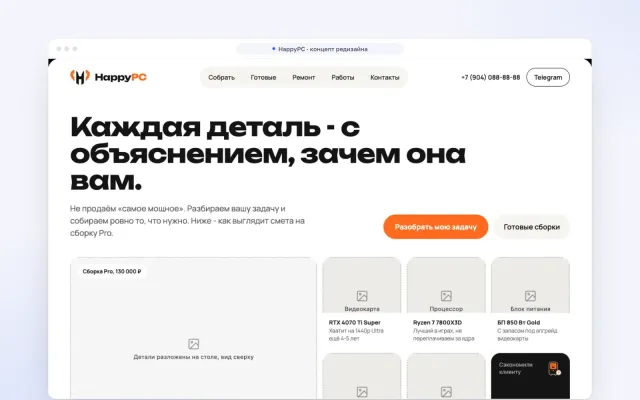
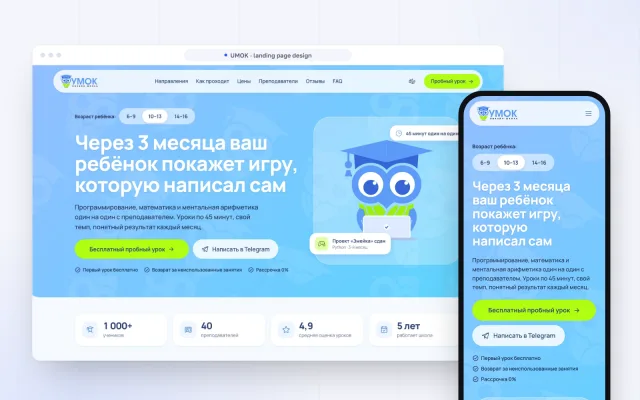
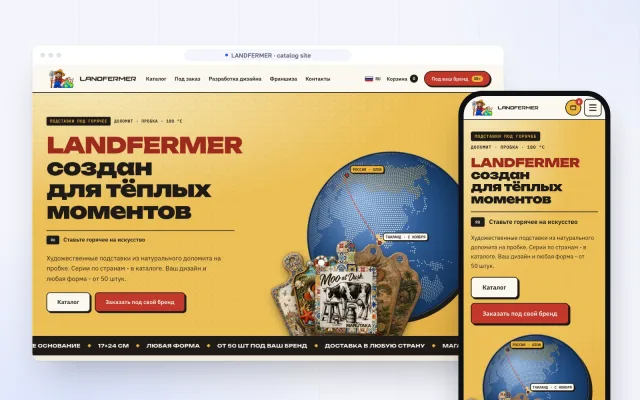
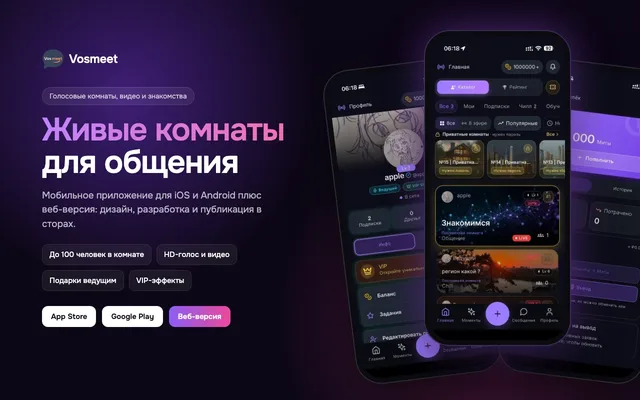
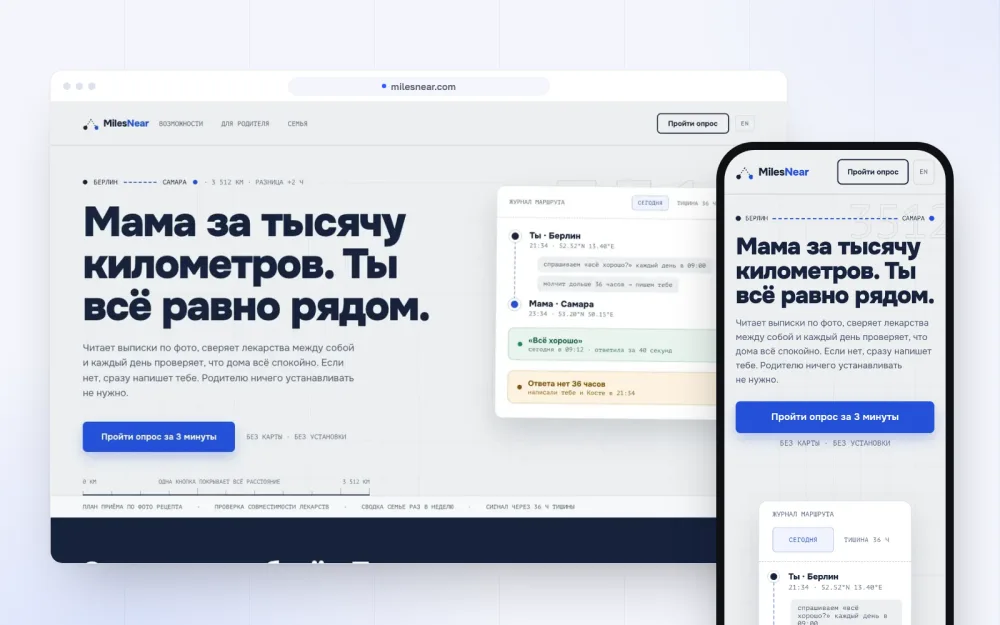
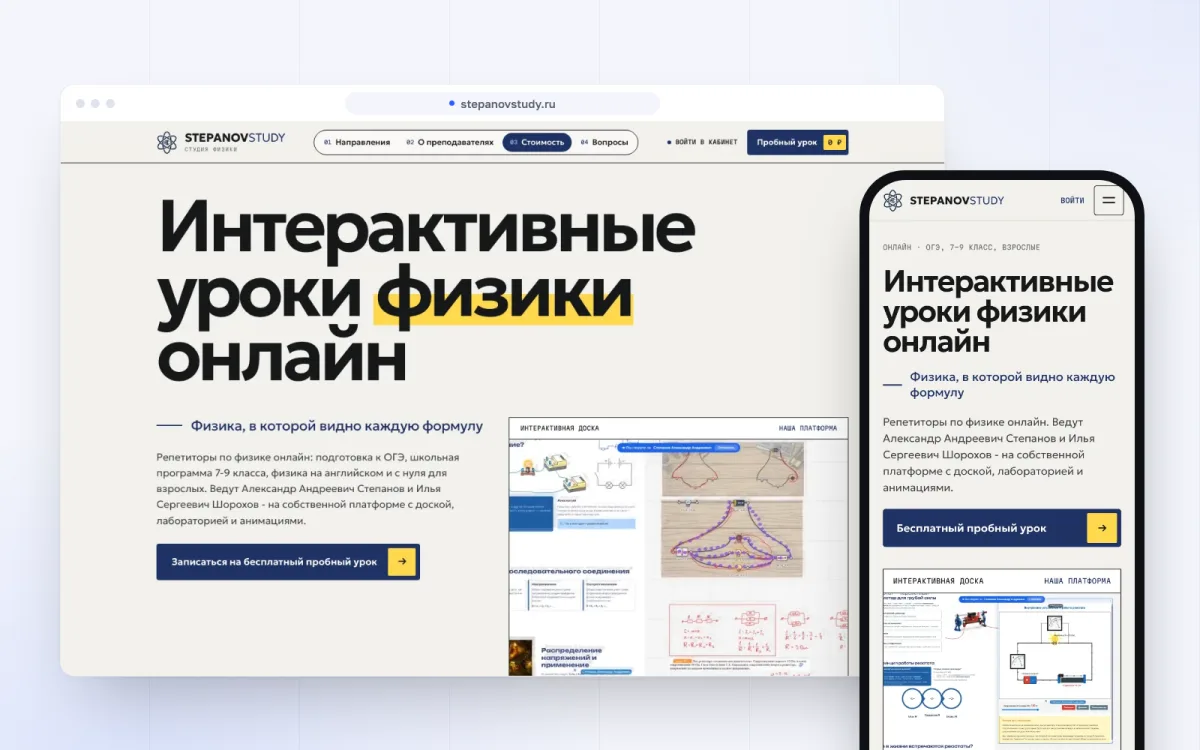
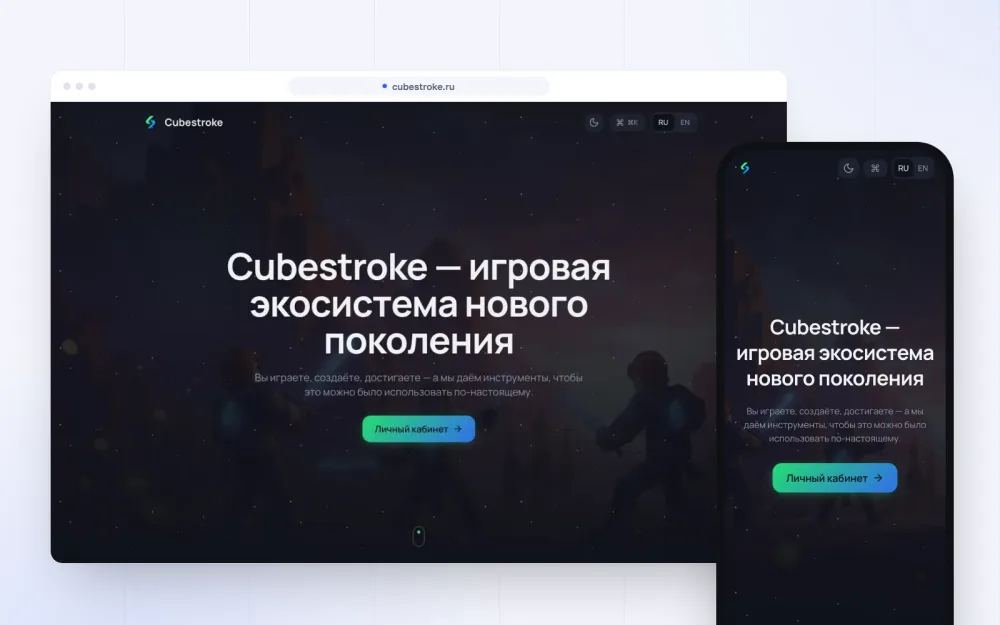
Services we've built
All work ↗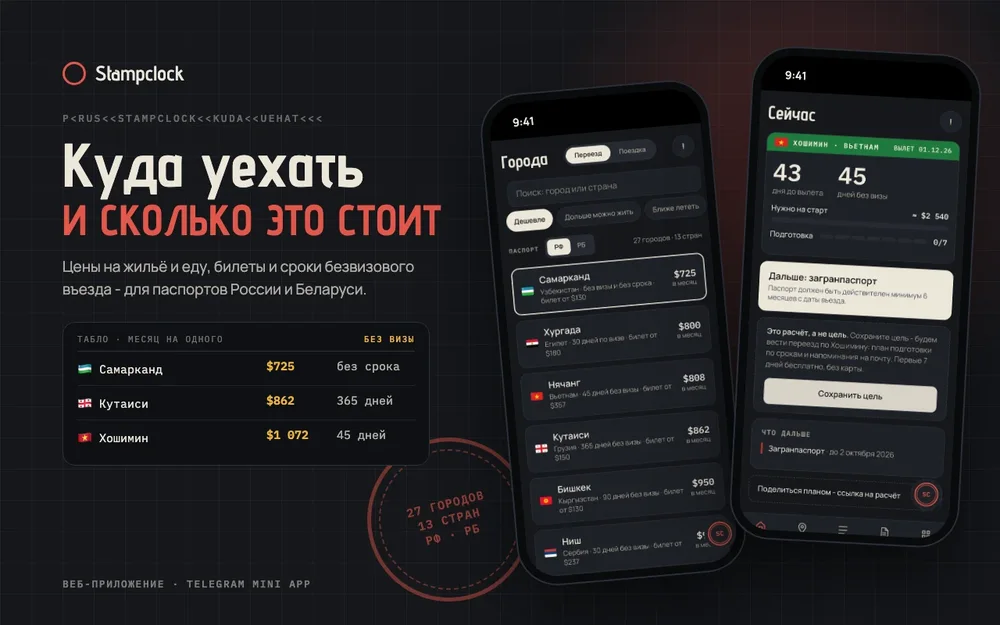
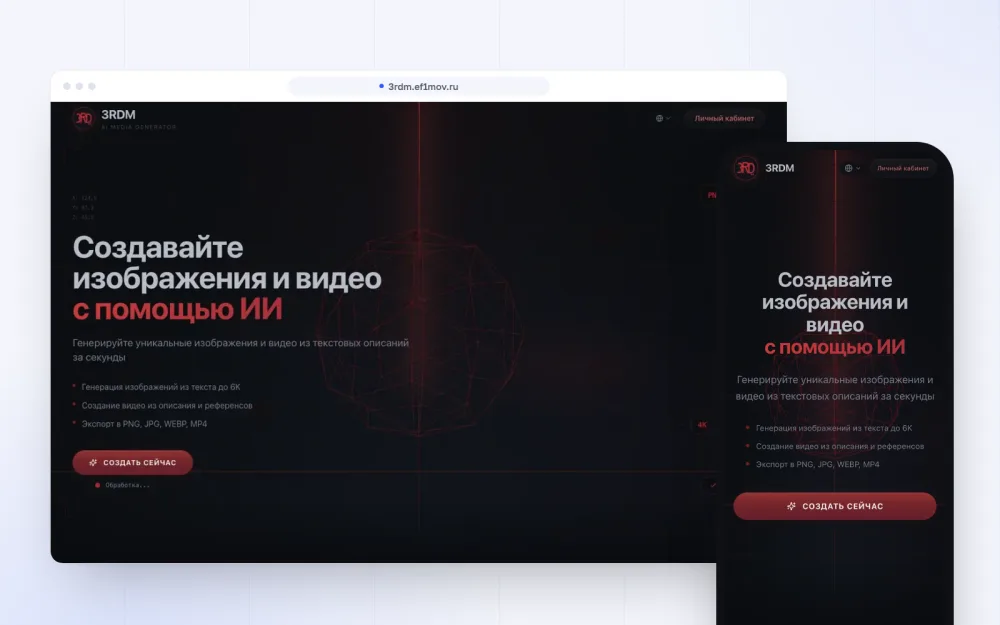
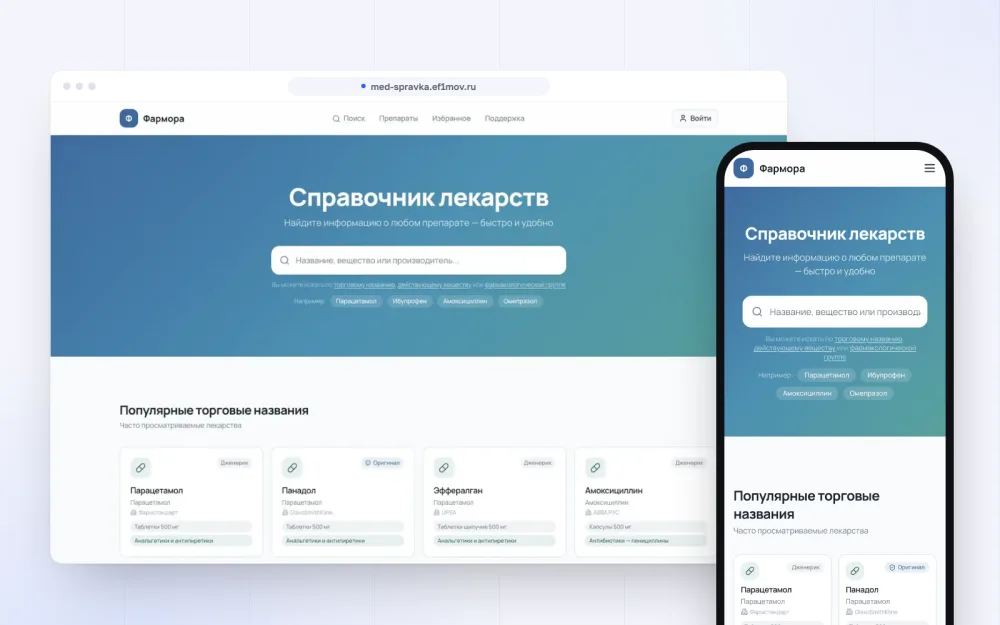
What people come with
- 01You have a product hypothesis and need an MVP to test it with real users.
- 02An internal process has outgrown spreadsheets and chats - time to make it a system.
- 03A running service hits a wall in load or in architecture written for speed.
- 04You need an API for partners or a mobile app.
A service is not a project with an end date - it's a product in operation. Budget for development and for growth after launch. If that budget isn't there, start with a smaller MVP rather than cutting code quality.
Free: prototype in 1-2 days - before any contract or payment
I want prototype ↗Contract, payment, warranty
We work under a signed contract. Scope, quote and timeline are fixed before we start and do not change later.
An advance when the contract is signed, the rest after acceptance. Payment by invoice.
For three months after launch we fix bugs and help with small edits free of charge.
We work with clients in different countries: calls online, documents signed electronically.
FAQ
How much does a web service cost?+
Quoted individually, after a free mockup and project review. Services vary enormously in complexity, so we quote in stages: the minimum version first, then iterations with a clear price each.
What is an MVP and why start there?+
The minimum version that tests your main hypothesis. It's cheaper and faster, and more importantly it shows what users actually need. A full feature set invented before the first user is typically half unused.
How long does it take?+
From six weeks for an MVP. After that, 2-4 week iterations, each ending in a working version rather than a promise.
What's your stack?+
Go on the backend, React on the frontend, PostgreSQL, Redis, REST and WebSocket, CI/CD, Cloudflare. Chosen for the task, not for fashion - and we explain the choice.
Who runs the project after launch?+
Whatever we agree. We can take on operation and growth, or hand over to your team: code, documentation and access are yours from the start.
Do you use AI in development?+
Yes, as an accelerator on routine work - and we pay for the expensive models. But architecture, review and responsibility for the result sit with the team, not a generator.
Sources: OWASP Top 10 - web application security risks · GDPR - official text of the regulation
Other services
Services ↗Got a project? We’ll draw it.
Leave a request - a 30-minute call, we dig into the task and show prototype in 1-2 business days. Free, no prepayment.